
Sign in for exclusive products and special discounts.
What Is Problem-Based Learning (PBL)?
Problem-based learning (PBL) is an educational approach in which students learn by engaging with and solving real-world problems. Problems can range from ecological disasters to public-relations problem solving, but all PBL units share some key components. They include:
- Student-Centered: Students take an active role in their learning, working in groups to solve complex, open-ended problems.
- Real-World Problems: Problems are based on real-life situations that do not have straightforward solutions, requiring students to think critically and creatively.
- Interdisciplinary Learning: PBL often integrates knowledge and skills from multiple disciplines, reflecting the interconnected nature of real-world issues.
- Facilitator Role: Teachers act as facilitators or guides, providing support and resources as needed, rather than directly instructing.
- Collaborative Work: Students work collaboratively, developing communication, teamwork, and negotiating and problem-solving skills.
- Self-Directed Learning: PBL encourages students to take responsibility for their learning, including delegating, researching, organizing, and presenting information.
- Reflective Practice: Students reflect on their learning process and outcomes, which helps them develop metacognitive skills.

Problem-based learning also has several key benefits, including:
- Engagement: Students are often more engaged and motivated when they can work on meaningful and relevant problems.
- Critical Thinking: PBL enhances critical thinking and analytical skills by requiring students to identify, research, and solve problems.
- Deep Understanding: By working through complex problems, students often achieve a deeper understanding of the subject matter.
- Transferable Skills: Students develop skills such as collaboration, communication, and self-directed learning, which are valuable in various contexts beyond the classroom.

How do you implement PBL?
- Problem Introduction: A problem is presented, without clear solutions, to stimulate inquiry and discussion.
- Group Work: Students work in groups to explore the problem, identify what they need to learn, and devise possible solutions.
- Research and Inquiry: Students gather information, conduct research, and apply their findings to the problem.
- Solution Development: Groups develop and refine their solution based on feedback and further research.
- Presentation: Students present their solution to the class or a broader audience.
- Reflection: Both students and teachers reflect on the learning process and the solution developed.

Where can I buy PBL units?
Royal Fireworks Press offers a number of PBL units for classrooms (including several NAGC award-winning units); some are modified for smaller numbers of students in a homeschool setting. Learn more by clicking on any of the units below!
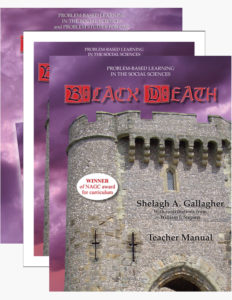
Black Death: Unit Set
$55.00

A Final Appeal: Unit Set
$55.00
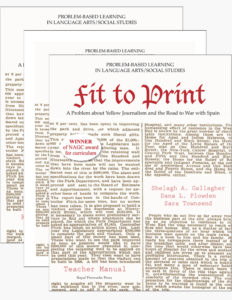
Fit to Print: Unit Set
$55.00

Excluded! Unit Set
$55.00

Ferret Ecology: Unit Set
$45.00
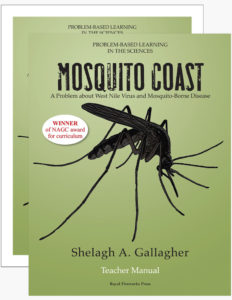
Mosquito Coast: Unit Set
$45.00