
Sign in for exclusive products and special discounts.
Adapting MCT for Visual Learners
The MCT curriculum’s multi-layered approach naturally suits different learning styles. If you think you might be working with a visual learner, this blog post will help you adapt MCT to fit your learner’s needs. Not sure if you’re working with a visual learner? Here are some tell-tale signs:
Visual learners are those who absorb and understand information best through visual aids and imagery. These learners benefit from seeing concepts presented in a way they can observe as pictures or as graphs, charts, or maps, as they often have a strong sense of spatial awareness and memory for images.

Key Characteristics of Visual Learners:
- Strong Visual Recall: Visual learners remember information best when it is presented in a way they can see. They excel at recalling details from images, charts, graphs, and other visual formats.
- Preference for Visual Instruction: These learners find it easier to understand instructions when they are presented visually, such as through diagrams, infographics, or written steps rather than as verbal explanations.
- Organizational Skills through Visual Cues: Visual learners often use tools like lists, color-coding, or labeled folders to organize their thoughts and materials. Structure and visual order help them retain information.
- Ability to Process Information with Imagery: Many visual learners create mental images to understand and remember concepts, such as visualizing a process or associating a term with a mental picture.
- Benefit from Visual Aids: They often rely on visual aids like flashcards, mind maps, and illustrations to connect ideas and reinforce their understanding, making abstract concepts more tangible.

A visual learner often:
- Prefers reading instructions over listening to them
- Thinks through problems by visualizing them mentally
- Enjoys charts, graphs, diagrams, and other visual aids to grasp concepts
- Remembers details from written notes and images
- Shows an interest in color patterns, art, and design
- Doodles, draws, or uses symbols to aid memory
- Easily memorizes things presented as pictures, diagrams, or written lists
- Enjoys visual storytelling and creates detailed mental images
- Excels in written communication over verbal communication
- Responds well to visual cues like checkmarks or progress charts
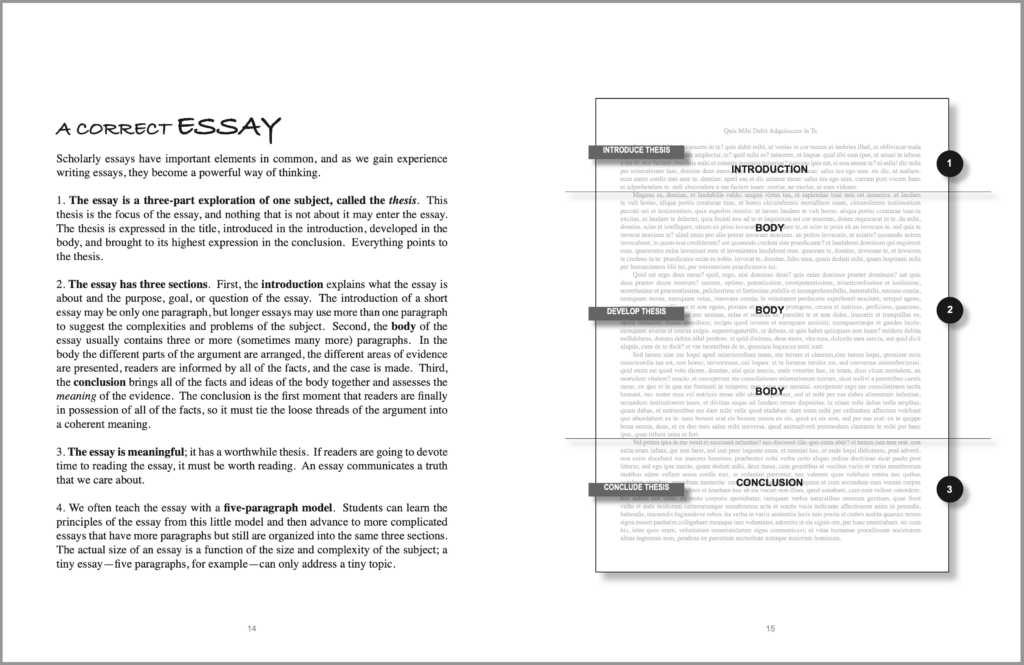
The MCT curriculum naturally supports visual learners through its thoughtfully designed book layout. Each book emphasizes clarity and focus, with whole concepts often contained on a single page or spread of two pages to prevent visual overload and promote deeper understanding. Key ideas, examples, and illustrations are presented in a way that allows students to see the structure of the material at a glance, helping them absorb information without being distracted by excessive text. This intentional design makes it easy for visual learners to identify and connect main ideas, fostering a strong grasp of language and grammar in a visually intuitive way.
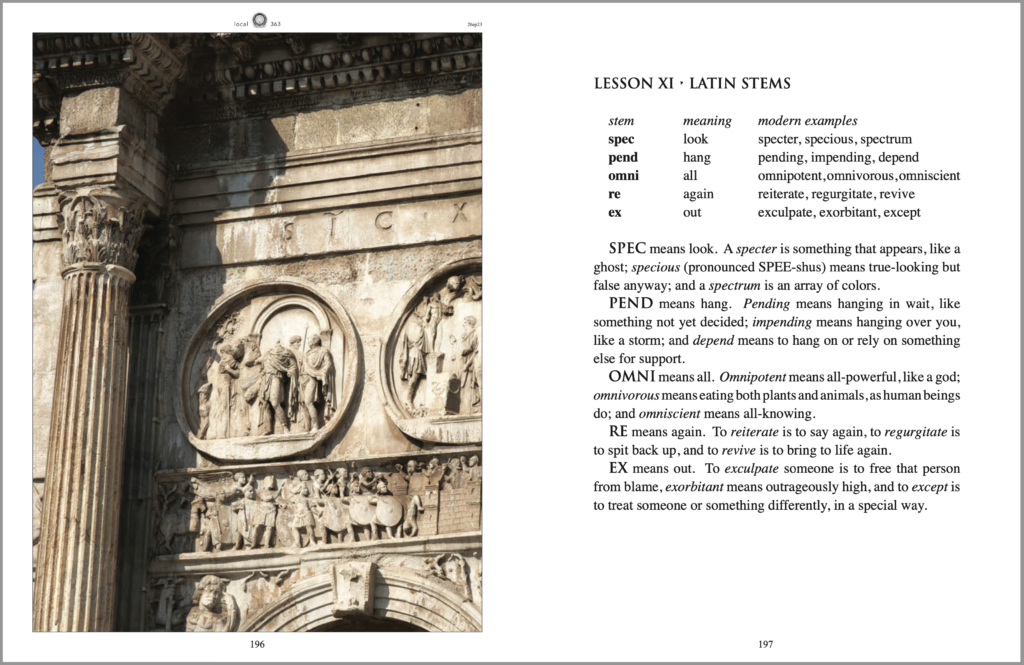
The MCT focus on concept-at-a-glance pages presents a clear visual learning advantage. Each page or spread of two pages in the MCT curriculum distills complex information into digestible chunks, featuring key definitions, examples, and illustrations that highlight the relationships among ideas. By providing a focused snapshot, these pages encourage quick comprehension and facilitate connections, enabling students to retain information more effectively. Whether tackling grammar, vocabulary, writing techniques, poetics, or literature, concept-at-a-glance pages serve as an invaluable resource for students seeking to visualize their learning journey.
Though MCT is naturally a perfect fit for visual learners, we know that many MCT users are looking to go the extra mile in reinforcing the material. Here are our tips and tricks for using the Michael Clay Thompson (MCT) language arts curriculum to support visual learners, leveraging their strength in learning through visualization.
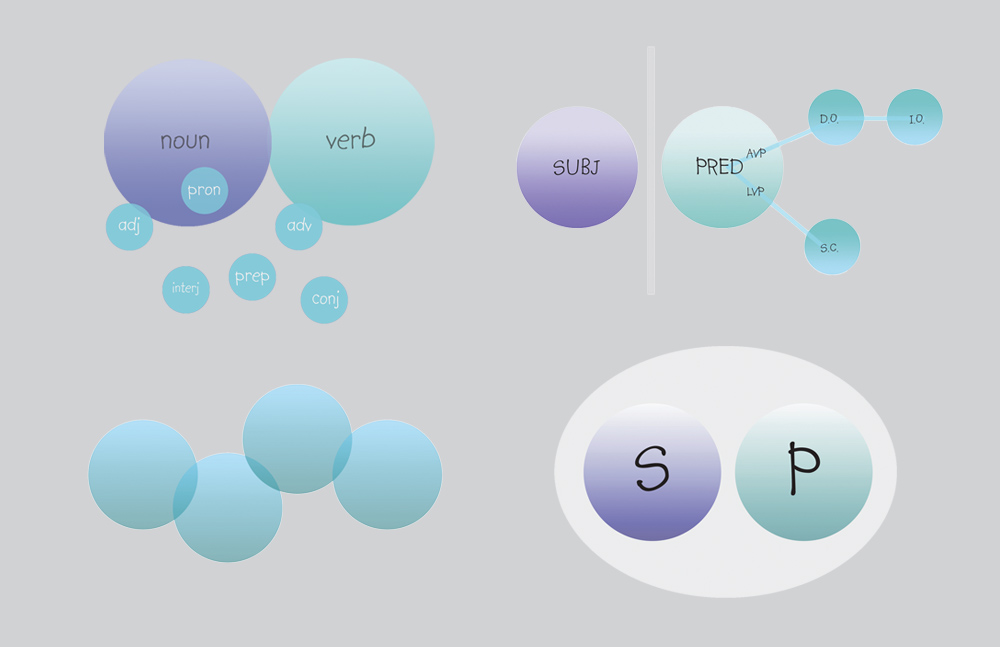
1. Visual Reinforcement with T-Models
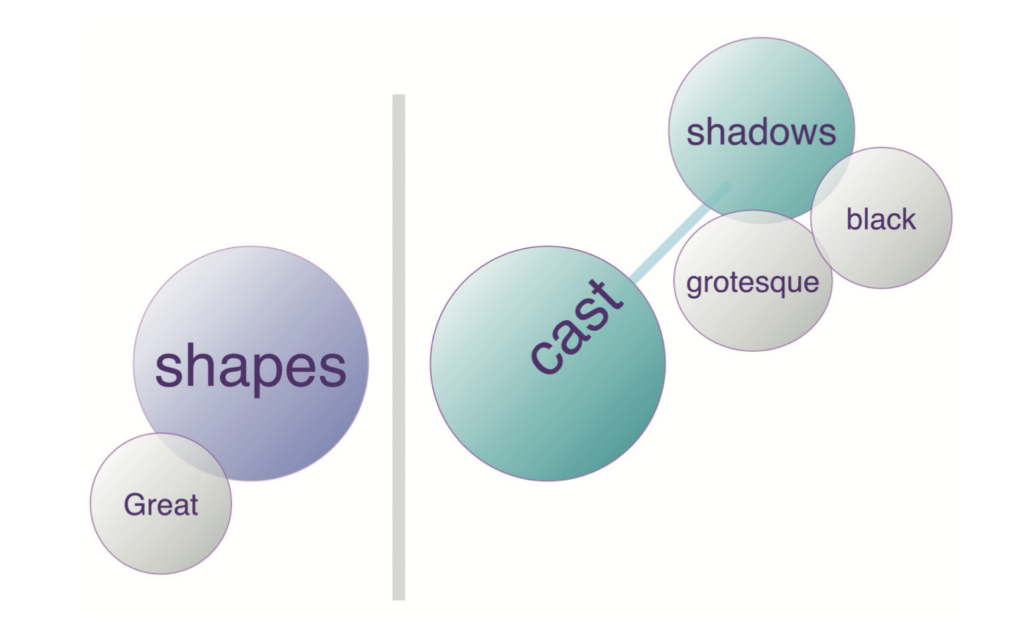
The Built-in Visual Benefit of the T-Model: MCT focuses on four-level sentence analysis over diagramming, and this is reinforced through Michael’s use of what he calls t-models, a method of illustrating grammar that naturally enables students to see visually how the parts of our language are connected. The t-model technique displayed in the MCT books provides an extra layer of clarity by allowing students to see relationships visually in a much more intuitive and visually appealing way than traditional sentence diagramming allows.
🌟 Tip: Encourage students to draw their own t-models of sentences, reinforcing the structural concepts within the MCT approach. This exercise can strengthen visual learners’ grasp of grammar.
2. Color-Coding Analysis
Use Color to Enhance Grammar Understanding: The MCT books were designed to use color to assist in learning. When practicing the concepts from MCT, it can be helpful to continue that use. Introduce the four levels of analysis in MCT by color-coding each level: the parts of speech, the parts of the sentence, phrases, and clauses. Assigning a color to each level helps visual learners distinguish among them at a glance.
🌟 Tip: Let students choose their preferred colors to represent each part. Using bright, varied colors makes grammar concepts more engaging and creates memorable associations for visual learners.
3. Illustrated Concepts
Try Drawing to Reinforce Ideas: The MCT curriculum utilizes images to reinforce concepts found in the text. Visual learners tend to remember concepts and vocabulary better when they’re attached to an image. Encourage them to sketch a quick drawing or symbol next to each concept or vocabulary word, linking meaning to the image.
🌟 Tip: Have students create a “visual dictionary,” drawing a picture that represents each word or its stems. This strengthens their memory of each word’s meaning.
4. Flashcards and Visual Grammar Cards
Create Flashcards for Grammar and Vocabulary: Visual learners often thrive with flashcards, especially if they’re bold and colorful. For grammar, include examples and illustrations of each part of speech. For vocabulary, use one side for the word and the other for a drawing or diagram. You can also use this technique for poetic devices, plot points, character recognition, and more.
🌟 Tip: Make grammar flashcards interactive by allowing students to match cards for sentence building, helping them apply grammar concepts visually while also organizing them spatially.

Why These Techniques Work for Visual Learners
Visual learners need to see relationships and patterns to understand concepts deeply. Using these techniques creates a visually-driven learning experience, offering these students visual cues that make abstract grammar and vocabulary concepts concrete and memorable. These tips engage both sides of the brain, making the learning process more holistic, and they help students visualize grammar, vocabulary, and sentence structures in a way that makes sense to them.

Implementation Tips for Other Styles
Check out these tips for adapting the MCT curriculum for other learning styles! Remember: The goal isn’t to limit students to their preferred style but to use their strengths as a gateway to developing competency in all areas.
Tips for using MCT with auditory learners