Sign in for exclusive products and special discounts.
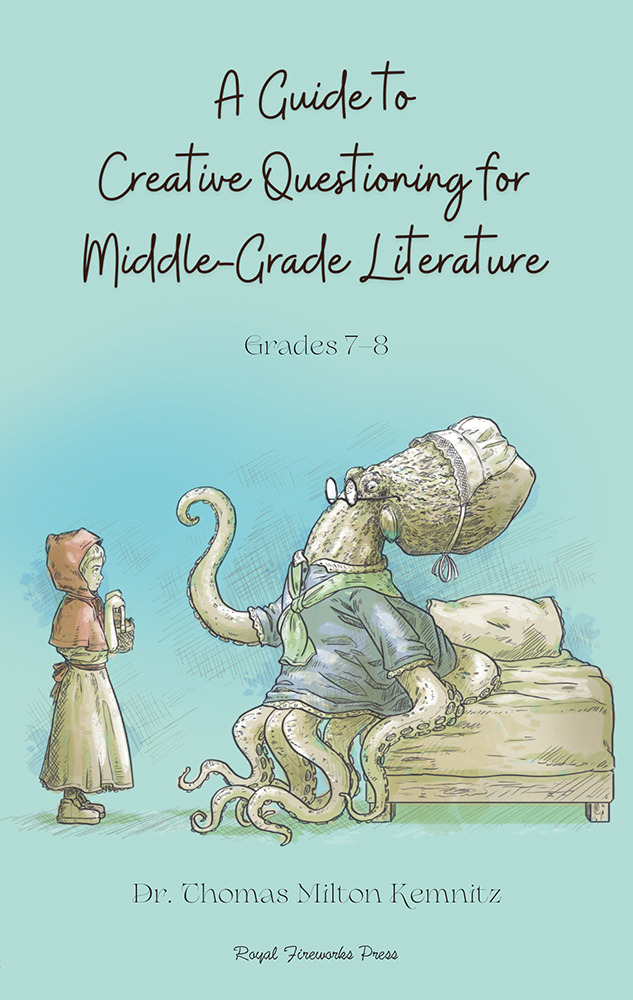
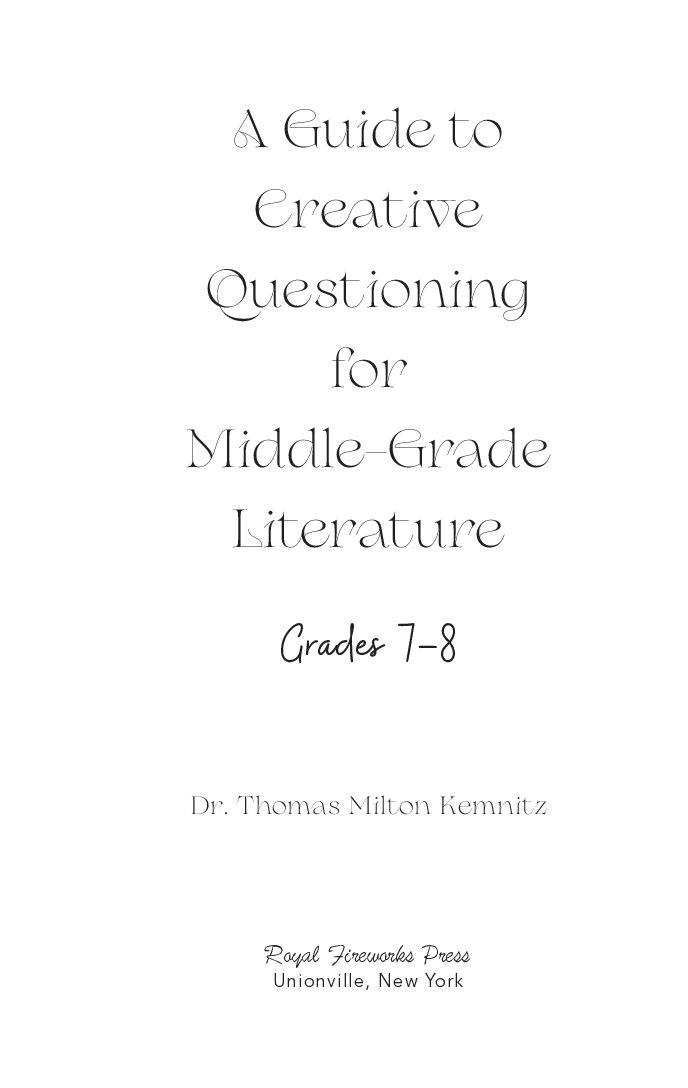
A Guide to Creative Questioning for Middle-Grade Literature: Grades 7–8
$15.00
Order Code: 3051
The foundation for this book is a selection of classic and beloved young adult stories and novels. Each story is listed with a brief synopsis and sets of questions based on Bloom’s Taxonomy. This enables parents and instructors to engage students in meaningful discussions about the literature, beginning with simple questions and working up through questions that promote higher-order thinking skills.
Description
A Guide to Creative Questioning for Middle-Grade Literature Based on Bloom’s Taxonomy
Most reading programs follow a standard format: the students read a literary work, and the instructor asks questions about specific characters or plot points in the book to ensure that the students actually read and understood the work. But when the questioning stops there, it does a disservice both to the students and to the literature itself.
Bloom’s Taxonomy is a framework of educational objectives arranged in progression from the lower-order thinking skills of remembering, understanding, and applying knowledge to the higher-order skills of analyzing, evaluating, and creating. This book applies that framework to classic and beloved literary works from young adult literature, providing questions that prompt thinking at each of the levels so that students are not only delving more deeply into the literature but also stretching their understanding, exercising their critical and creative thinking skills, and building high-level cognitive abilities that will translate to other topics and subjects—and not just academic ones.
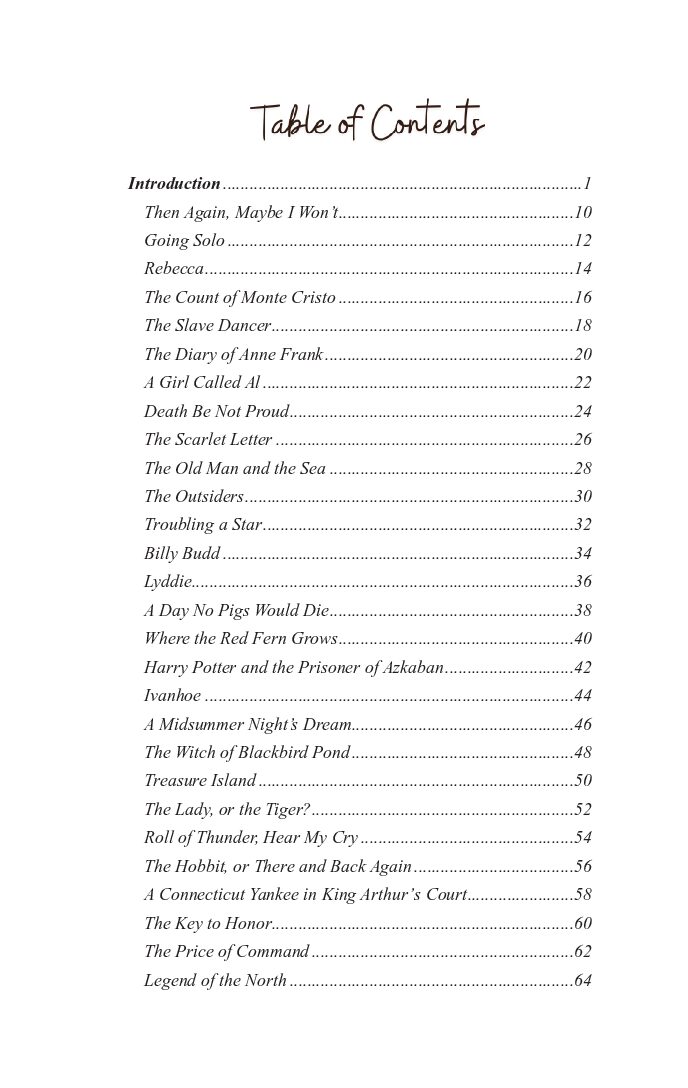
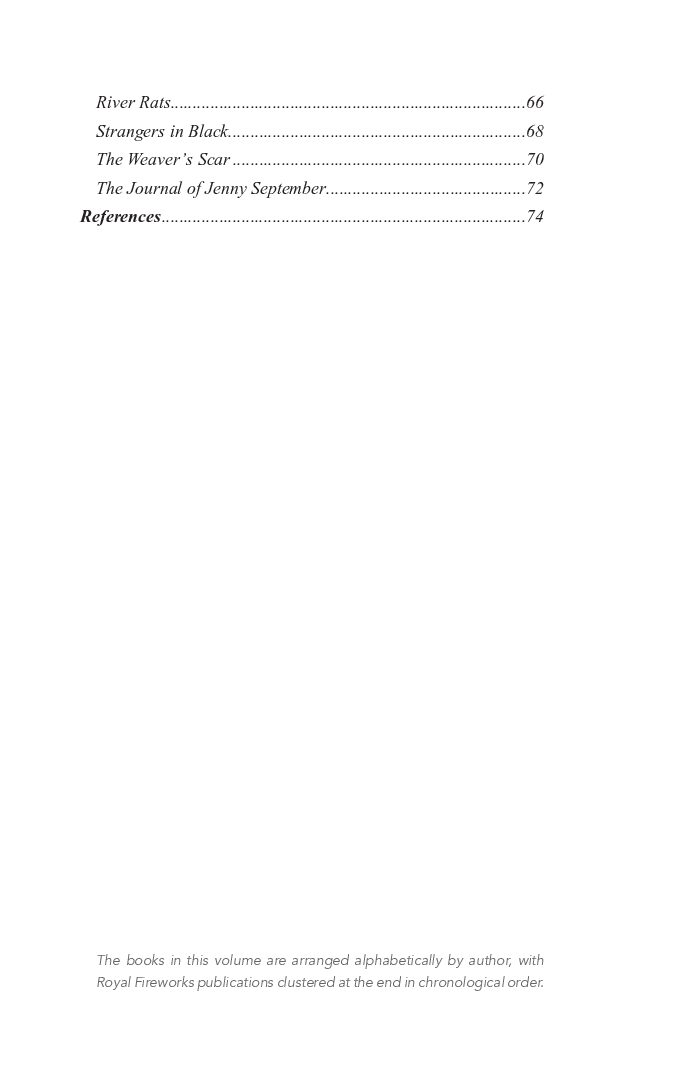
The book begins by exploring the rationale for creative questioning in the teaching of literature, with an overview of Bloom’s Taxonomy. But the heart of the book is an extensive catalog of selections from young adult literature—by authors whose stories have been favorites of readers for generations, from J.R.R. Tolkien and J.K. Rowling to Elizabeth George Speare and Katherine Paterson. Each selection is listed by title and author and contains a brief synopsis of the story, followed by sets of questions based on Bloom’s Taxonomy, with a few questions at each level—all designed to enable students to exercise the full range of thinking skills, from simple to complex.*
This allows instructors to engage students in meaningful discussions, beginning with simple questions and working up to questions that promote deep reading, thoughtful consideration, and higher-order thinking skills that will benefit children for a lifetime.
*Please note that the literary works themselves are not included in this book.
Details
- Series
- Guides to Creative Questioning for Children's Literature
- Ages
- Parents & Other Caregivers, Teachers & Schools
- Subjects
- Other Language Arts
- Pages
- 74
- ISBN
- 978-1-63856-305-1
- Order Code
- 3051
Reviews
More info
Sample Pages
-
A Guide to Creative Questioning for Middle-Grade Literature: Grades 7–8 · View A Guide to Creative Questioning for Middle-Grade Literature: Grades 7–8 · Download A Guide to Creative Questioning for Middle-Grade Literature: Grades 7–8