
Sign in for exclusive products and special discounts.
15 July 2025
NEW Book Release!


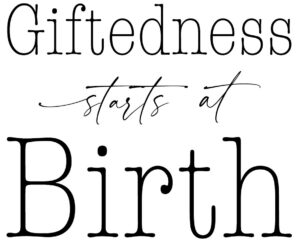
Most gifted children aren’t identified as gifted until they reach school age. The problem, of course, is that kids don’t magically become gifted on their first day of school. They’re gifted from the moment they enter this world, and their giftedness needs to be nurtured as an essential component of who they are as they grow and develop.
Now we’re offering a book that can help adults recognize and support giftedness sooner.
We’re proud to announce the publication of our newest book. It’s an indispensable guide for parents—and for anyone else who cares for infants and young children: Bright from the Beginning: How to Identify and Support Giftedness in the First Five Years.
Written by Kathleen Casper Reed, J.D., M.Ed., this book is the most current resource providing essential guidance for recognizing and nurturing gifted traits in children from birth through age five. Gifted children need a special level of understanding and support. This book provides accessible information and practical advice to empower caregivers to create environments where gifted young children can thrive socially, emotionally, and intellectually.
The Early Years Matter
As a gifted education specialist and an attorney who has spent years advocating for twice-exceptional learners and underserved gifted populations, Reed knows how often gifted children are misunderstood (or missed altogether) during the early years. Too often, signs of giftedness are ignored or misread as behavioral problems, anxiety, or even defiance.
Bright from the Beginning aims to shift that narrative by offering practical, research-based insights into what early giftedness looks like so it isn’t mistaken for other issues. Reed breaks down everything from cognitive and emotional growth to asynchronous development and twice-exceptionality, demystifying giftedness in a way that empowers caregivers to take action. Her essential message is this:

A Handbook for Every Kind of Caregiver
This book isn’t just for parents (though it’s essential for them); it was written with a wide range of readers in mind. Early childhood educators, preschool administrators, pediatricians, caseworkers, and anyone else who plays a role in a young child’s life can all benefit from reading this guide.
Beyond Identification: A Call for Action
Reed doesn’t just want readers to notice signs of giftedness in young children; she wants them to support those traits to give children the best chance of growing up in compassionate, emotionally and intellectually stimulating environments. That might mean gently educating friends and relatives about why a child is different than others, adjusting how a daycare classroom handles a bored student, rethinking how pediatricians screen for developmental differences, or ensuring that gifted traits are not mistaken for behavioral problems.
And it’s not just the children who need support. Parenting a gifted child can be a lonely endeavor. Too many myths surrounding how easy it must be to parent a bright child can make the struggles that inevitably come with raising gifted children that much more difficult for those in the trenches of caregiving. The more people who understand that the differences (and difficulties) associated with giftedness start almost from birth, the more support adults can give one another. And everyone working together is the best way to help any child succeed.
Gifted Children Deserve to Be Understood from the Start
Bright from the Beginning is more than a guide; it’s a reminder to all of us that gifted children are not simply smarter than others. They are complex, complicated, and often vulnerable individuals who think in interesting ways and who need to be nurtured and supported in their differences from the very beginning. This book can help adults better understand what giftedness looks like in the earliest years and how to support it in ways that matter.
Bright from the Beginning is available now!
For more resources on early giftedness or to learn more about this book, click here!